How Parents Can Help Kids Set and Achieve School Goals
Learn how parents can help kids set school goals, stay focused, build self-discipline, overcome setbacks, and achieve success with confidence.
A new school year can bring plenty of excitement for kids, but it can also bring new challenges. New teachers, harder assignments, and greater expectations can sometimes leave children feeling overwhelmed.
One way parents can help is by teaching kids how to set realistic goals and, more importantly, how to follow through on them.
Goal-setting isn't just about getting better grades. It teaches children how to break big challenges into smaller steps, stay focused, handle setbacks, and recognize their own progress. These are skills that can benefit children well beyond their school years.
Start With Goals That Matter to Your Child
It's easier for children to stay motivated when they have a reason to care about their goal.
Instead of simply saying, "You need to get better grades," ask questions such as:
- "What subject would you like to improve?"
- "What's something you'd like to feel more confident about?"
Maybe your child wants to improve their reading, raise their math grade, finish homework without reminders, or feel more comfortable participating in class.
The goal should be meaningful to them, not just something their parents want.
Break Big Goals Into Smaller Steps
"Get an A in math" can feel overwhelming to a child. Instead, help them turn that big goal into smaller, manageable actions.
For example:
Big goal: Improve my math grade.
Small steps: Complete homework before playing video games, spend 15 minutes reviewing difficult problems, ask the teacher for help when something isn't clear, or review mistakes before the next test.
Small accomplishments give children a sense of progress and make a large goal feel achievable.
Teach Kids That Progress Takes Practice
Children may become frustrated when they don't immediately see results. That's an important moment to remind them that improvement takes time.
If a child struggles with reading, math, writing, or another subject, encourage them to focus on what they can do today rather than comparing themselves to classmates.
The message is simple: You don't have to be perfect. You just have to keep improving.
This mindset helps children develop resilience and teaches them that mistakes are part of learning.
Create a Routine That Supports Their Goals
Goals are easier to achieve when children have consistent routines. Parents can help by establishing regular times for homework, studying, reading, and preparing for the next school day.
A simple routine might include:
- Take a short break after school.
- Complete homework.
- Review challenging material.
A predictable routine can help children develop self-discipline while reducing the need for parents to constantly remind them what needs to be done.
Help Kids Become Their Own Goal-Setters
Ultimately, the goal isn't for parents to manage every assignment or achievement. It's to help children gradually learn how to manage themselves. When kids learn how to set goals, create a plan, stay focused, and keep going when things get difficult, they're developing skills that can serve them for years.
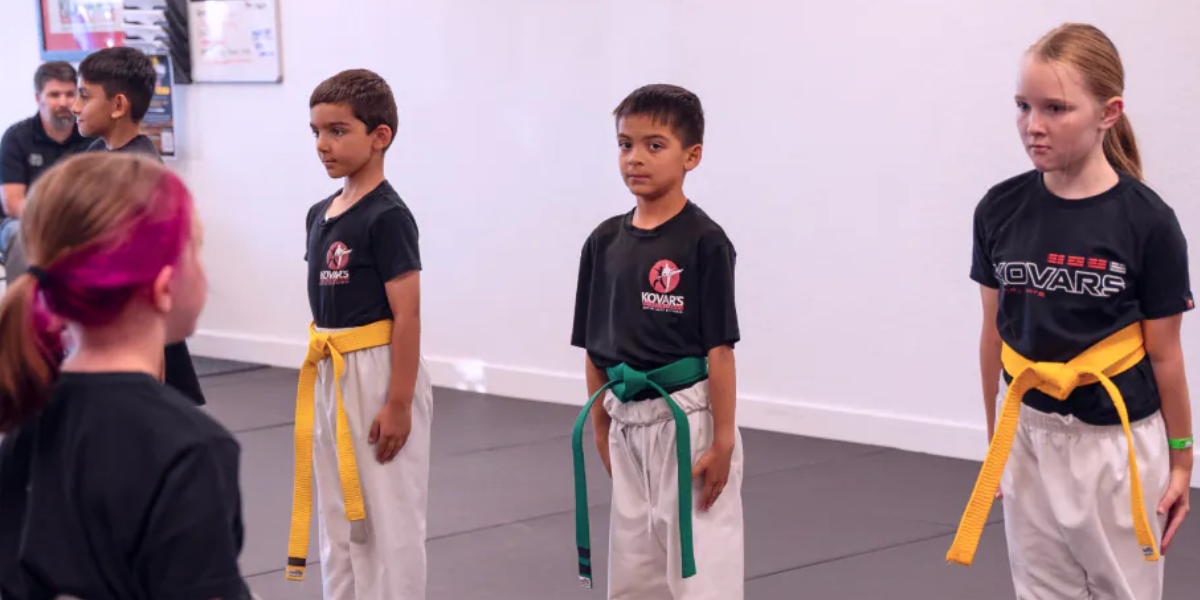
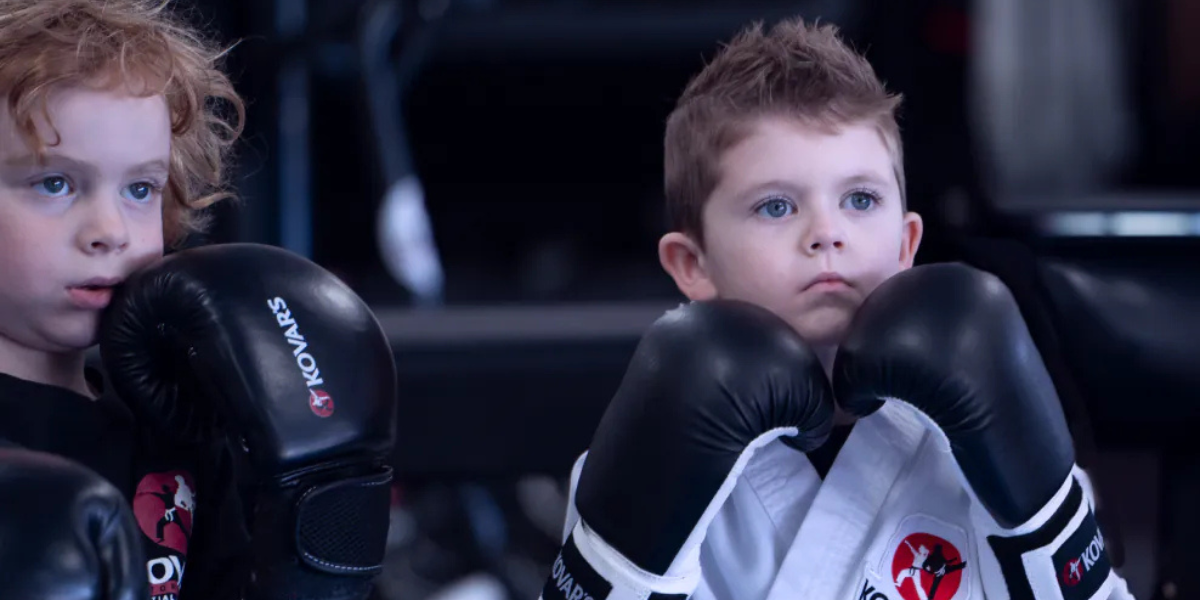
Activities such as kids Martial Arts can reinforce many of these same qualities. Through structured practice and achievable milestones, children can develop focus, self-discipline, confidence, and perseverance.

How Martial Arts Can Help Prevent Bullying
Learn how Martial Arts can help prevent bullying by building confidence, self-discipline, emotional control, and resilience in kids and teens.